- -10%



Time acceleration: 60-130 mph reduced by 0.22 seconds
Maximum flow for 28″ H2O airbox: Stock 620 CFM, Eventuri 736 CFM
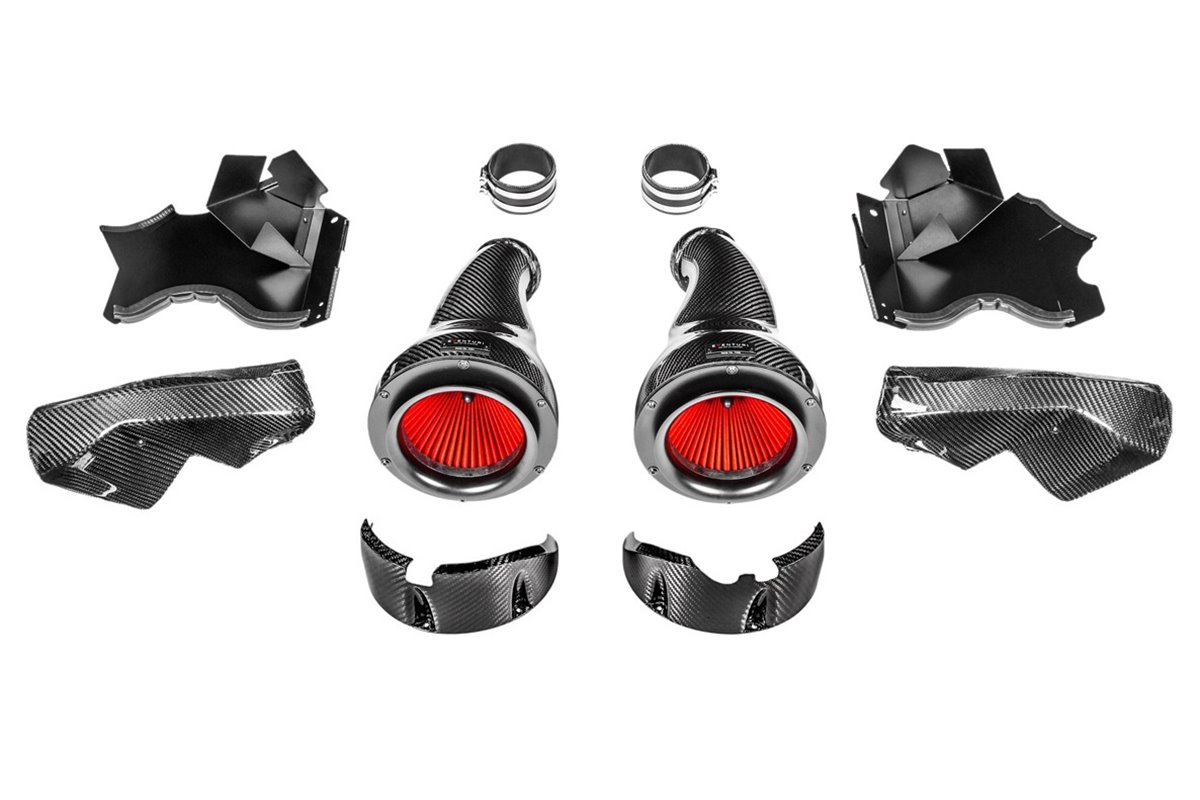
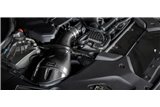
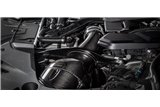
The F90 M5 Eventuri system uses our patented carbon fiber housings with our custom Gen 2 filters, which provide an aerodynamically efficient airflow path from the filter to the turbos. Not just another conical filter with a heat shield, but a unique design that recalls the Venturi effect and maintains laminar flow conditions to reduce drag on the turbo.
Time acceleration: 60-130 mph reduced by 0.22 seconds
Maximum flow for 28″ H2O airbox: Stock 620 CFM, Eventuri 736 CFM
The F90 M5 Eventuri system uses our patented carbon fiber housings with our custom Gen 2 filters, which provide an aerodynamically efficient airflow path from the filter to the turbos. Not just another conical filter with a heat shield, but a unique design that recalls the Venturi effect and maintains laminar flow conditions to reduce drag on the turbo.


The F90 M5 Eventuri intake system was developed through extensive real-world testing and airflow simulation analysis. Now in an updated V2 design, it features sealed filter housings to maintain a more stable IAT, even when stationary. New covers that seal the housings, combined with our scoop and shield combination, ensure unrestricted airflow while maintaining low IATs via cold air saturation. Our large front air scoops transfer ambient air directly into the intake area, ensuring the engine does not suffer from heat absorption. Additionally, our heat-reflective gold-coated shields have integrated flow guides that direct ambient air from the scoops to the filters. We were also able to increase the cross-sectional area of the inlet tube by over 30% over the stock intake as it feeds through ports in the strut braces. This allows the turbos to work harder with less restriction and reduces wastegate duty cycles.
The intake was road tested using a Vbox unit to record acceleration from 60-130 mph. Testing was done on the same stretch of road, on the same day to minimize variables. The results show that with just the added intake, on stock software, acceleration times from 60-130mph were reduced by 0.22 seconds, which is a significant improvement at these speeds.
The Eventuri F90 M5 intake system is made up of a series of components designed to perform a specific purpose and manufactured to the highest standards. Here are the details for each component and the design ethos behind them:
Each suction system consists of:
Acceleration results summary:
The advantages are due to a combination of reasons:
1) Larger intake pipe volume allows turbochargers to operate with less drag.
2) Venturi housings provide a smooth transition from filter to intake pipe while maintaining laminar airflow.
3) Large front vents force ambient air into the intakes while keeping IATs low.
INTAKE HOUSING ASSEMBLY
The filter housings comprise our bespoke second generation filters, aluminium intake cowls, carbon covers, carbon pods and integrated pipes. The carbon pods wrap around the reverse mounted filters and smoothly shape the airflow to the stock turbo inlet pipes. This is a key feature of the intake design where we have eliminated the need for a convoluted rubber hose between the airbox and the turbo inlet pipes. The integrated filter housings and hoses extend to the stock turbo tubes and are able to move as one piece with the engine through the strut braces. This eliminates the extra interfaces of having a separate convoluted hose that the stock system requires for flexibility since the stock airboxes are mounted to the frame and therefore cannot move. The result is a smoother path from the filter to the turbo inlets and therefore the turbos are able to operate with less drag. The following diagram summarizes the differences between the stock airbox and the Eventuri F90 filter housing.
INTERNAL VOLUME
Another key design feature of the intake housings is the internal volume of the tubes as they pass through the strut braces. On the F90 M5, the airbox system has to pass through an oval opening in the strut brace on each side before reaching the turbo intakes. We have been able to increase the internal dimensions of our intakes at this junction, which results in more available volume for the turbos to draw from and therefore less restriction. The increase in cross-sectional areas between the Eventuri and the stock airbox is 31% as follows:
PATENTED TECHNOLOGY
Our patented filter housings feature a uniform reduction in cross-sectional area as they wrap around the filters and taper toward the tube. This geometry is reminiscent of the Venturi effect where the airflow accelerates while maintaining laminar conditions. It can be thought of as a large velocity stack - below is a diagram showing how our patented design compares to a typical intake system. Our custom-designed filters help the airflow move through the housings and allow for a uniform velocity profile as the airflow exits the housings. Further details can be read in the Technology and Filters pages.
CARBON COATINGS
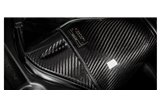
These carbon liners are a recent addition to this intake system. They seal the openings in front of the filter housings from the engine bay, while still allowing airflow to enter the filters from the front air intakes. The liners follow the design curves of the housings and extend into the inner wheel arches, where a rubber seal allows the air intakes to move with the engine. Made from the same high-quality pre-preg carbon fiber as the housings, the shields complement the intake system beautifully.
HEAT SHIELDS & AIR RAMPS
The filter housings sit atop these laser cut shields which also have a gold reflective backing to help with radiated heat transfer. The shields attach to the frame and also provide a seal for the housing openings to draw cool air from. This is aided by the integrated air ramps attached to the inside of each shield. These ramps guide air from the intakes upwards towards the filters, so when the car is moving, the airflow forced into the ducts from the front intakes is then pushed directly into the filter area displacing any heat from the engine bay.
FRONT INTAKES
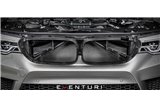
The final carbon components in this system are the front air intakes, which are essential for directing ambient air to the filters. The intakes have been designed for maximum efficiency in directing incoming air to the stock duct openings. Many aftermarket scoops have a large flat area that is nearly perpendicular to the incoming air, which is not ideal for ducting air as the airflow only "hits" this flat area and creates turbulence. Unlike most aftermarket "scoops", Eventuri scoops are designed to extend from the stock duct openings all the way up to the grilles. To capture as much air as possible, the scoops are shaped to the same contours as the outside of the grilles and then gently channel the ambient air in a continuous curve towards the duct openings.
Having an effective supply of cold air to the filters is an essential part of our design. Simply having heat shields in place is not an effective means of preventing hot air from entering the filters unless the shields create an airtight envelope around the filters. The vanes and shields in our system combine to provide the filter openings with ambient air and keep the intake air temperature low.

Data sheet