- -10%
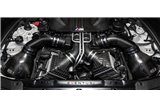
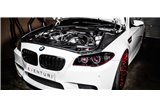
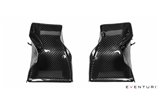

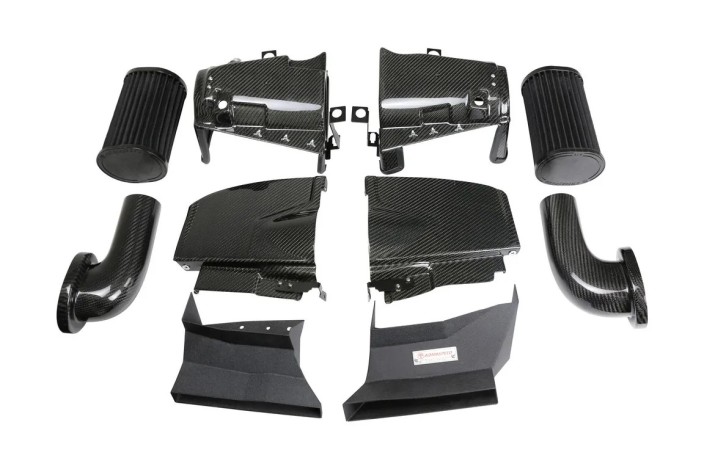
The F10 M5 intake system was developed through extensive dynamometer testing, top-speed testing and flow optimisation. We developed a complete system, from the front air ducts to the filter housings and even the inlet pipes to the turbos. The resulting system is very efficient and reduces drag on the turbos, providing a smooth path for the airflow.
The F10 M5 intake system was developed through extensive dynamometer testing, top-speed testing and flow optimisation. We developed a complete system, from the front air ducts to the filter housings and even the inlet pipes to the turbos. The resulting system is very efficient and reduces drag on the turbos, providing a smooth path for the airflow.


The Eventuri Difference
The F10 M5 Eventuri system utilizes our patent-pending carbon fiber housing that provides an aerodynamically efficient airflow path from the filter to the MAF tube. Not just another cone filter with a heat shield, but a unique design that recalls the Venturi effect.
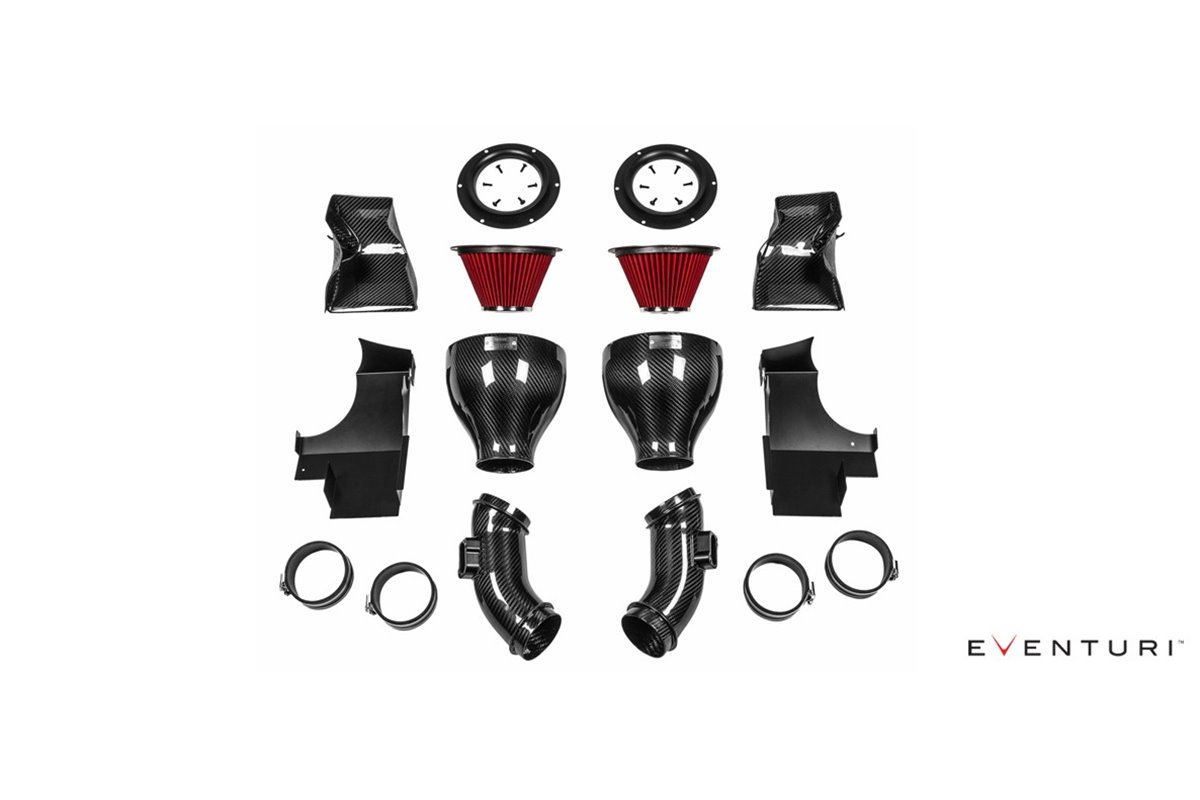
The Eventuri F10 M5 intake system consists of a series of components designed to perform a specific purpose and manufactured to the highest standards. Here are the details for each component and the design ethic behind them:
Each intake system consists of:
Carbon intake housing assemblies
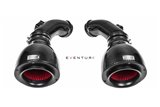
The filter housings comprise high-flow filters, aluminum caps and the carbon pods themselves. The carbon pods wrap around the reverse mounted filter and gently shape the airflow into the intake tubes. This gentle reduction in cross-sectional area is reminiscent of the Venturi effect where the airflow accelerates while maintaining laminar conditions. It can be thought of as a large velocity stack - below is a diagram showing how our patent pending design compares to a typical intake system. Further details can be read on the Technology page.
Carbon Fiber Intake Pipes
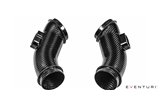
Our intake pipes are again made from 100% pre-preg carbon fiber. Each pipe has an integrated MAF sensor mount that is CNC machined from aluminum. The tubes smoothly connect the filter housings to the turbo intakes and eliminate the stock corrugated hoses which have a much more disruptive flow path. We have ensured that the carbon tubes maintain a true circular cross-section, even at the MAF boss for the best possible flow characteristics.
Carbon Fibre Air Intakes
The final carbon components in this system are the front air intakes, which are essential for directing ambient air to the filters.
The air intakes have been designed for maximum efficiency in directing incoming air to the stock duct openings. Many aftermarket intakes have a large flat area that is nearly perpendicular to the incoming air, which is not ideal for guiding air into the ducts as the airflow only "hits" this flat area and creates turbulence.
Unlike most aftermarket "intakes", Eventuri intakes are designed to extend from the stock duct openings all the way up to the grilles. To capture as much air as possible, the intakes are shaped to the same contours as the outsides of the grilles and then gently channel ambient air through a continuous curve to the duct openings.
Having an effective supply of cold air to the filters is an essential part of our design. Simply having heat shields in place is not an effective means of preventing hot air from entering the filters unless the shields create an airtight enclosure around the filters. The vanes and shields in our system combine to supply ambient air to the filter openings and keep the intake air temperature low. To illustrate the effectiveness of this system.
The vanes are simple to install: they clip onto the existing strut brace and are then held in place by the front grilles.
Flow shields/deflectors
The filter housings are positioned with the openings nestled inside the flow baffles. These baffles capture cold air from the front vanes and help move warm air out of the filter openings. Here is a CAD image to illustrate the configuration of the filter housings, baffles and vanes. The space between the vanes and baffles is occupied by the stock ducting.

Data sheet